Edgar Allan Poe’s Interactive Horror: 1995 Edition Review
Aka The Dark Eye
Publisher: GMedia
Why didn’t anyone tell me there was a game that adapted a few of Edgar Allen Poe’s short stories (and a poem)! I didn’t know about The Dark Eye until last year and luckily I took a closer look at this title’s description in time to see that this is a re-release with the goal of being a faithful restoration. I enjoyed Poe’s works as a kid and still do (heck, I named my dog Edgar!) and of course I just had to play this game. This honestly reminded me of when I was in Elementary School and we had an Edgar Allen Poe week where every class was given one of his works to recreate. It was so fun going around, seeing which story or poem each class got, and how they adapted it. Not to mention that this is also perfect considering I’m also reading a webcomic that took inspiration from Poe’s works for their characters as well. It’s called Nevermore and it’s an amazing webcomic (which I even put on my Top 10 ongoing webcomics list and I’d say it still is).
Well, anyway, let’s get into the review shall we?
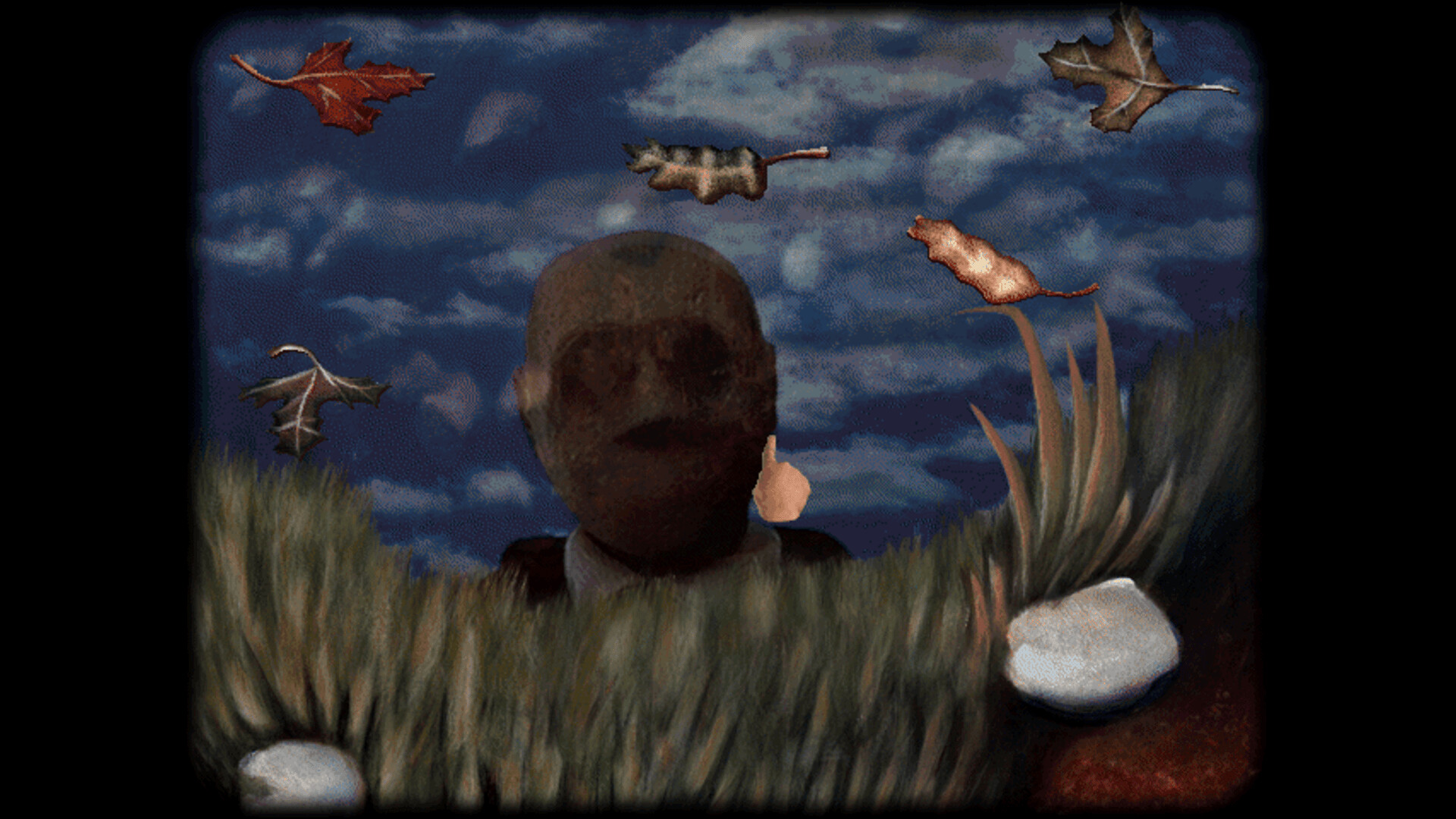
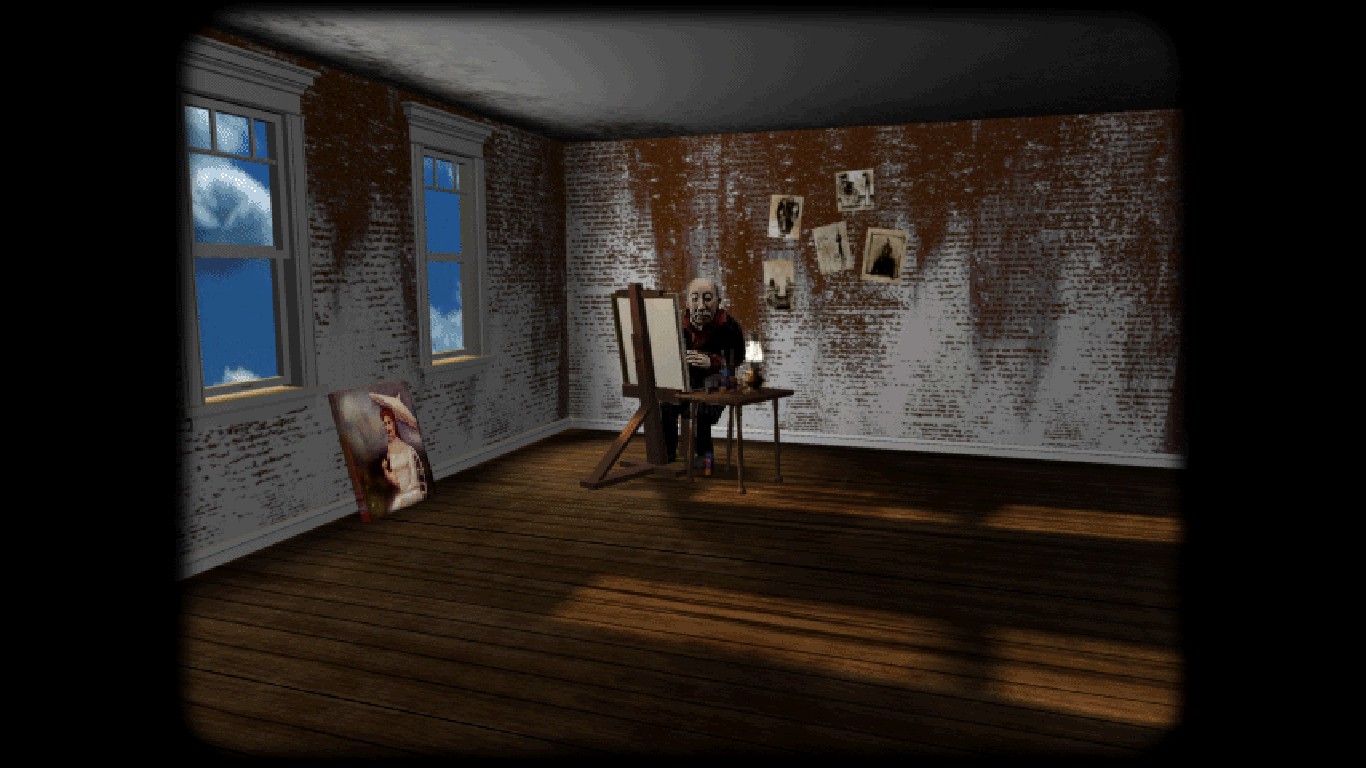
If you think you’d be going from story to story straight out the gate, you’d be wrong. The Dark Eye actually has a framing story to help meld everything together as you’ll be switching between the Waking World and Nightmares. The game starts with you in the Waking World, of course, and puts you in the shoes of an unnamed man who doesn’t have any distinguishable features based on the water reflection that the game starts on. After a little foreshadowing of the events to come and giving the illusion of this being a story he’s telling someone, our protagonist arrives at a coastal mansion which looks pretty nice from the outside, but reveals to be rundown when you go inside. You soon learn that our protagonist is here to visit his uncle, Edwin, who seems to have asked him, as well as his brother Henry and cousin Elise, to come visit. Or maybe it was Elise considering she mentioned being worried about him. Either way, Edwin is an avid painter who paints to calm his nerves and has been painting a lot lately based on what Elise says. He’ll paint throughout the game as well, but the important aspect here is the paint thinner that he uses. You learn early on that he uses special paint thinner that you have to be careful around as its fumes can drive you mad. Which seems to have been true as even a short exposure to it has an effect on someone and it strangely affects the protagonist for multiple nights. Not to mention his brother and cousin, who, well, has fallen in love with each other, ropes you into their effort to have Edwin agree, and starts showing some signs of being affected as well despite not being around his painting studio.
As you progress the story in the Waking World, you’ll suddenly find yourself shifting into a strange state with only whispers filling your ears. Walking around reveals that you seem to be alone, but a few objects seem to be giving off their own sound. This is actually where you’ll transition into Nightmares, which is where the adaptations of three of Edgar Allen Poe’s short stories come in. Depending on which object you gaze into, you’ll either find yourself in The Telltale Heart, The Cask of Amontillado, or Berenice. Not only that, but you will find yourself either in the perspective of the victim or the perpetrator. You must see through each story in both perspectives, as well as listen to two others being read out to you, to return to the Waking World. Hoping that it would be your last nightmare. Hoping that your family will come to their senses.
The Dark Eye makes a lot of interesting choices, which I ended up liking. I really liked how this didn’t just do 1:1 adaptations of Edgar Allen Poe’s works. The developers did a good job at adapting these short stories, while also adding to them in a meaningful way. The perpetrator’s perspective serves as the adaptation of the original story as that’s the perspective the stories are in. While there are a few aspects that could have been handled differently or included a certain detail, I think the stories were adapted well into this game. It was interesting being the one that is doing what these characters did and seeing it through their eyes. The interesting part, though, is that you can also go into the victim’s perspective. This perspective actually turned out to be quite interesting, does serve as a new way to view the original stories, and gets you in the head of the victim pretty well. I also really like how each perspective is represented by the item that pulls you into them. Each item set represents the story in some way and, if you notice, one item does an action and the other is the victim of it. It’s a great way to tell players which perspective you’re going into even if you may not catch on if you’re going into The Telltale Heart, Berenice, or The Cask of Amontillado.
The use of the Waking World to frame the whole game and give a way to transition into the various stories was also a great idea. The Waking World’s story is creepy, gives off the vibe of it being one of Poe’s stories, and had me wanting to see what was going to happen next with the protagonist’s family members. Not to mention that you’ll find that the events eerily correspond with the nightmares. It does end on a bit of a confusing note, but man it was foreshadowed and Edwin is so heartless. Like, Edwin does say and do some strange things that you may just dismiss or not look too closely, but once you look back it’s all awfully suspicious and those suspicions are confirmed once you play again with the knowledge of what’s going to happen and pay closer attention.
While the game only adapts three stories into an interactive format, the game also does reference and even takes inspiration from Poe’s other works. Like how there’s a picture of a raven, which honestly creeped me out. Oh, and I’d say this game does a great job at emulating Poe’s writing style as well. Both the original story during the Waking World and the victim’s perspective feels like it could have been something he wrote.
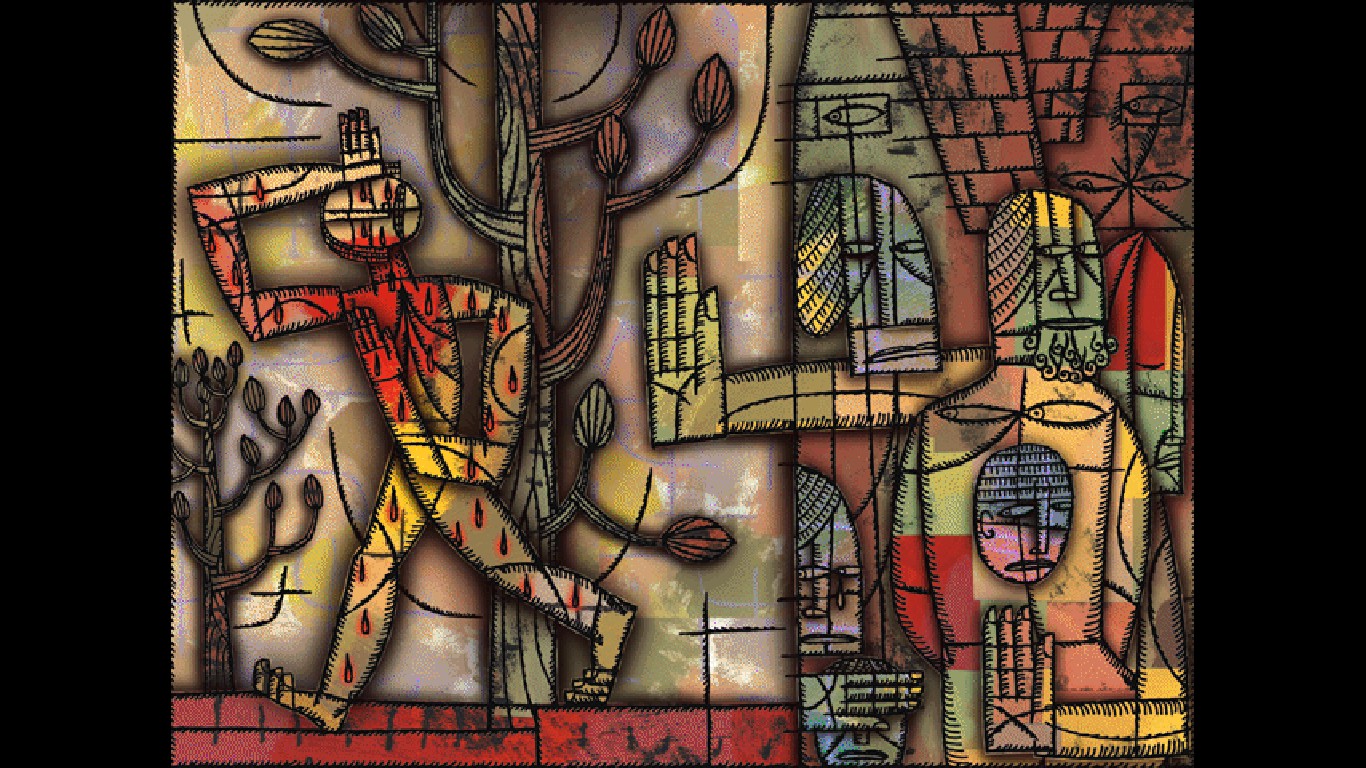
It is a shame that there are two additions that are basically just reading the short story/poem out with visuals to go along with it; but even then there were some interesting decisions made and the Waking World does weave an element from these two in its story as well. I found the way the developers chose to visualize Annabel Lee and The Masque of the Red Death while it was being read to be pretty interesting. They both have unique visuals to one another and from the rest of the game, but yet it still does hold that haunting and weird theme. I didn’t bring up the Annabel Lee poem to read alongside the reading, but I did do it for The Masque of the Red Death since I knew that was longer. Thanks to that, I did notice that some lines were taken out and, honestly, I think it was a great choice. The reading is already pretty long in the game, but I think it does cut out parts that weren’t really needed and does slow down the pacing. I think it says it all that you most likely won’t notice if you don’t literally have the story opened with how well they chose what to cut.
As for whether you need to read the three main short stories featured here, I’d say it’s recommended but you can get away with not knowing them or having vague knowledge (whether you read them many years ago or know them from other adaptations or media that references them). Though, there will be some moments that could be a little confusing. I’d say it’s worth reading them after playing the game as there are some details that weren’t or couldn’t be adapted.
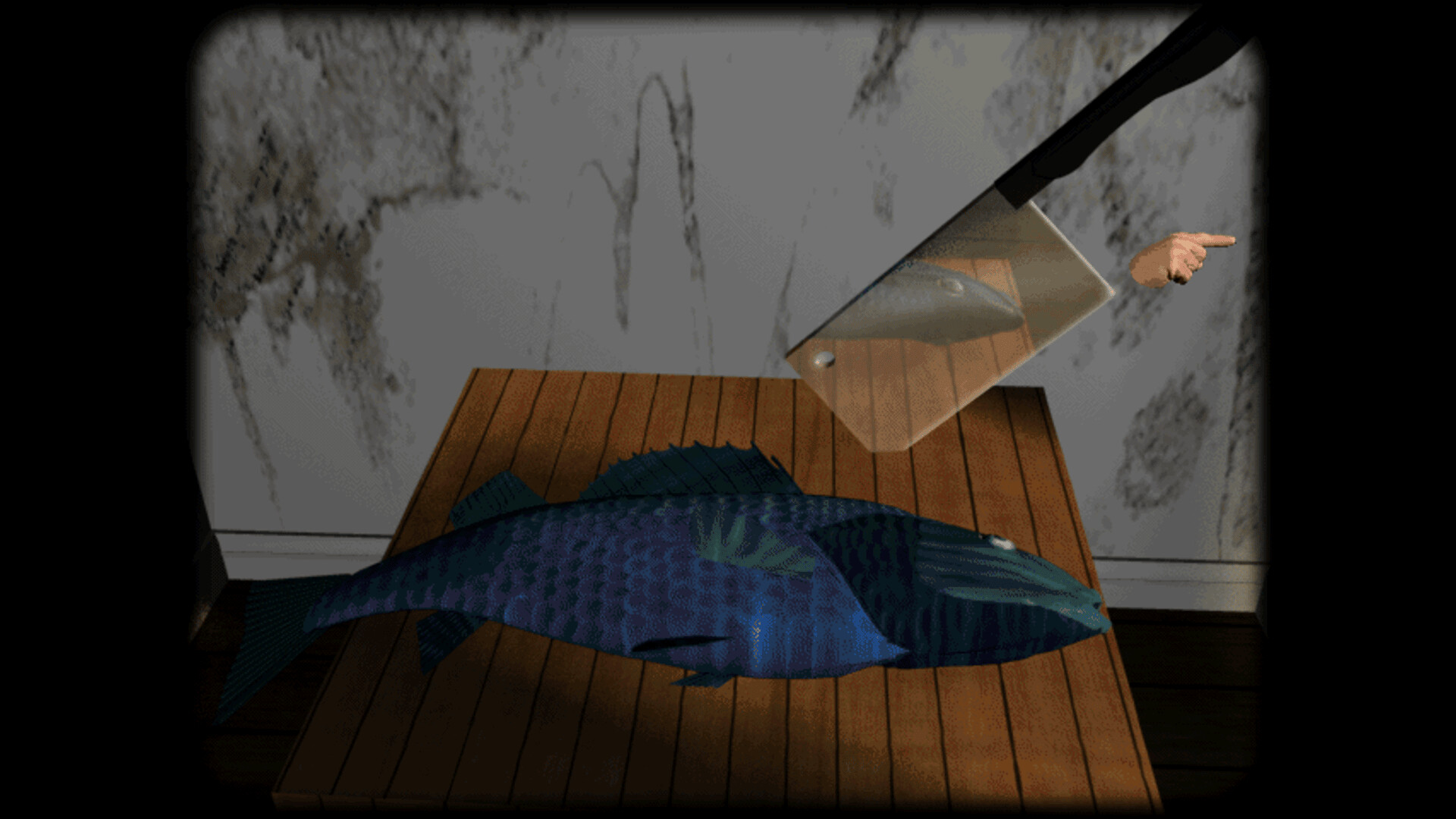
Gameplay here is what you’d expect from an old point and click game, especially one that aimed to be an interactive story. Your cursor turns into your hand as you’ll use it to navigate through the various areas you’ll find yourself in or interact depending on the situation and the way the cursor hand acts. Your hand will point when it’s close to the edge of the screen so you can turn, walk forward, or look up or down if it’s applicable. If the hand is flat or grasping for the object, this shows that you can interact with it such as grasping a doorknob to open a door or to hold an object, like a letter or a pen, that you may also use to interact. If an item is going to evoke a memory or a thought, it’ll turn into a caress cursor which you wave over that item or character to activate it. This is also the way you go into the nightmares, which you can do in any order. Then finally there’s soul jumping (I searched for the game’s original strategy guide, which also gives you an interesting novelization version of the game’s events and more insight through reading the protagonist’s thoughts on what was happening). There are certain times when you’re in one of the stories where you gaze into the other main character and see your face flash in their eyes. If you click the eyes when they do, you’ll jump between souls and thus change the perspective you’re seeing the story through. So, for example, you can go from Berenice’s perspective to Egaeus’ perspective in the middle of the nightmare. Honestly, I didn’t really use this as I preferred just playing each perspective fully. Talking to another character will either automatically trigger when you’re facing them, in the right spot, or when you read them. It just depends.
Progressing through the game is simple, but can be a bit tricky as you do need to do everything that the character did. Which sometimes can be a bit annoying as there may be something you missed, an item can only be accessed from a specific screen (and maybe you keep missing the spot you need to stand on to turn to it), you need to interact with something/someone multiple times, or you need to be on a specific spot. It can be a bit annoying when you’re stuck and don’t know what you need to do, but luckily we can just reference a guide to pinpoint what interaction you may have missed.
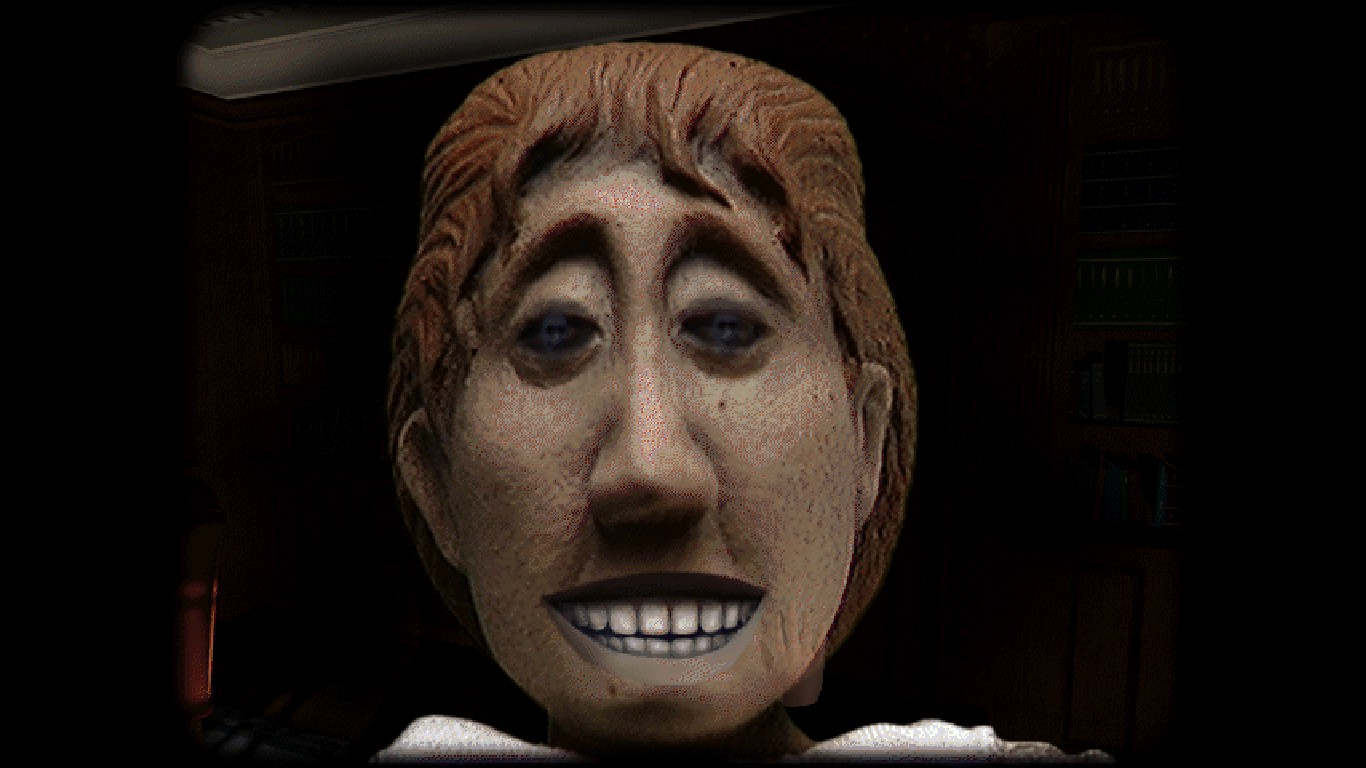
Other than that, your progress is also tracked through the paintings Edwin hangs in the gallery room and the Phrenology Map that’s on the pause screen. Each story has a painting that corresponds to them that Edwin will paint and hang when you finish them (and both perspectives); while an icon of each scenario will appear on the Phrenology Map (which you can use to easily replay it if you want).
In terms of negatives, there are a few. The first is what I already mentioned with how you can get stuck on what you need to do to progress due to not being on the right spot or missing an interaction. The maze in The Cask of Amontillado that you have to navigate through twice is a bit annoying and confusing. I did also wish subtitles were included, but I do understand why GMedia didn’t as they wanted it to be a restoration re-release. Lastly, the cursive writing can be a bit hard to read even as someone that knows how to read cursive (with one letter not being too low quality and I just didn’t want to strain to try and read it).
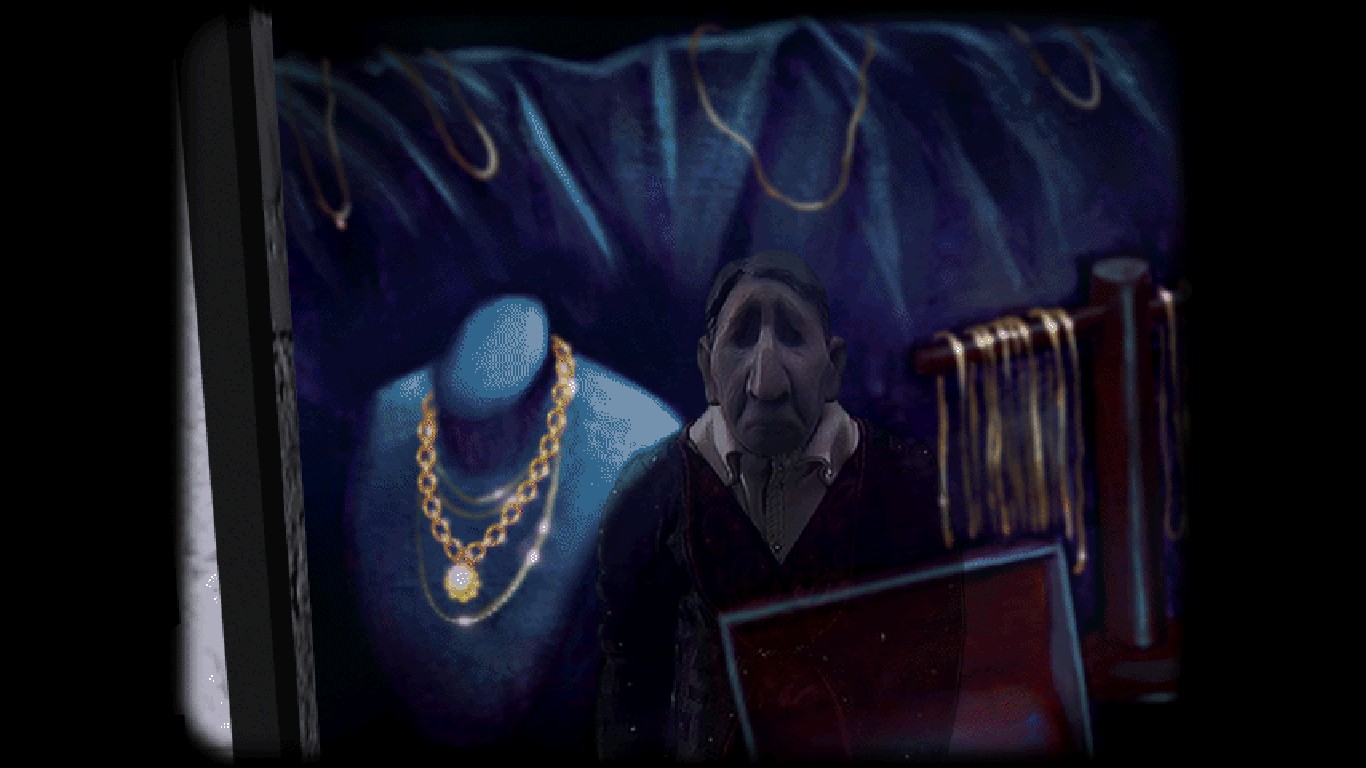
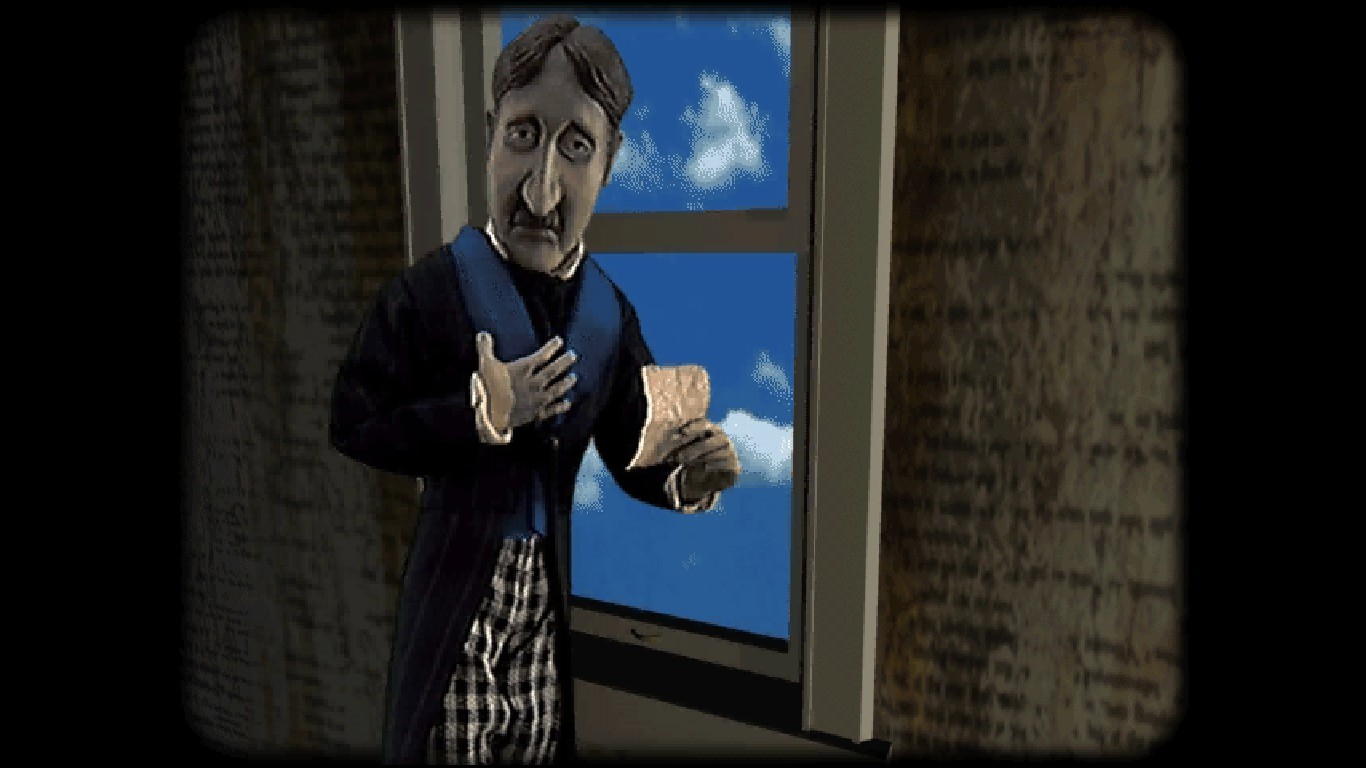
Now onto the visuals and sound. The developers went in an interesting direction for the game’s visuals, which do still hold up today. They used a mixed media approach to building the game’s visuals and it both brings in some creepiness as well as feeling like it fits Poe’s stories pretty well. The backgrounds, floors, and various objects look great and while there are some models that do have that “older model” look to them, they don’t stick out too much as it more feels like the games style. The various characters themselves are portrayed by stop-motion clay puppets. Giving this game a unique identity as well as being creepy and helping bring out the more haunting scenes of the game. I did also like how you get a few images when you transition into the Nightmare and there are some really good visual moments that happen. As for the sound, the game also uses this to enhance the experience or the creepiness of what’s happening. I’m pretty sure the only time music plays is when you open the game, which is a beautiful piece that has that haunting vibe to it, and other than that it’s silence, ambience, or an extension of the character’s delusion. Like the whispers that happen when you shift into the in-between state of the Waking World and Nightmare or the beating of the heart during The Telltale Heart definitely puts you in the headspace of the characters. Making it understandable why they went mad. The voice acting here was also well done. There are a couple lines that feel a bit too flat, but that’s it. All the voice actors did a good job in bringing their characters and the story to life.
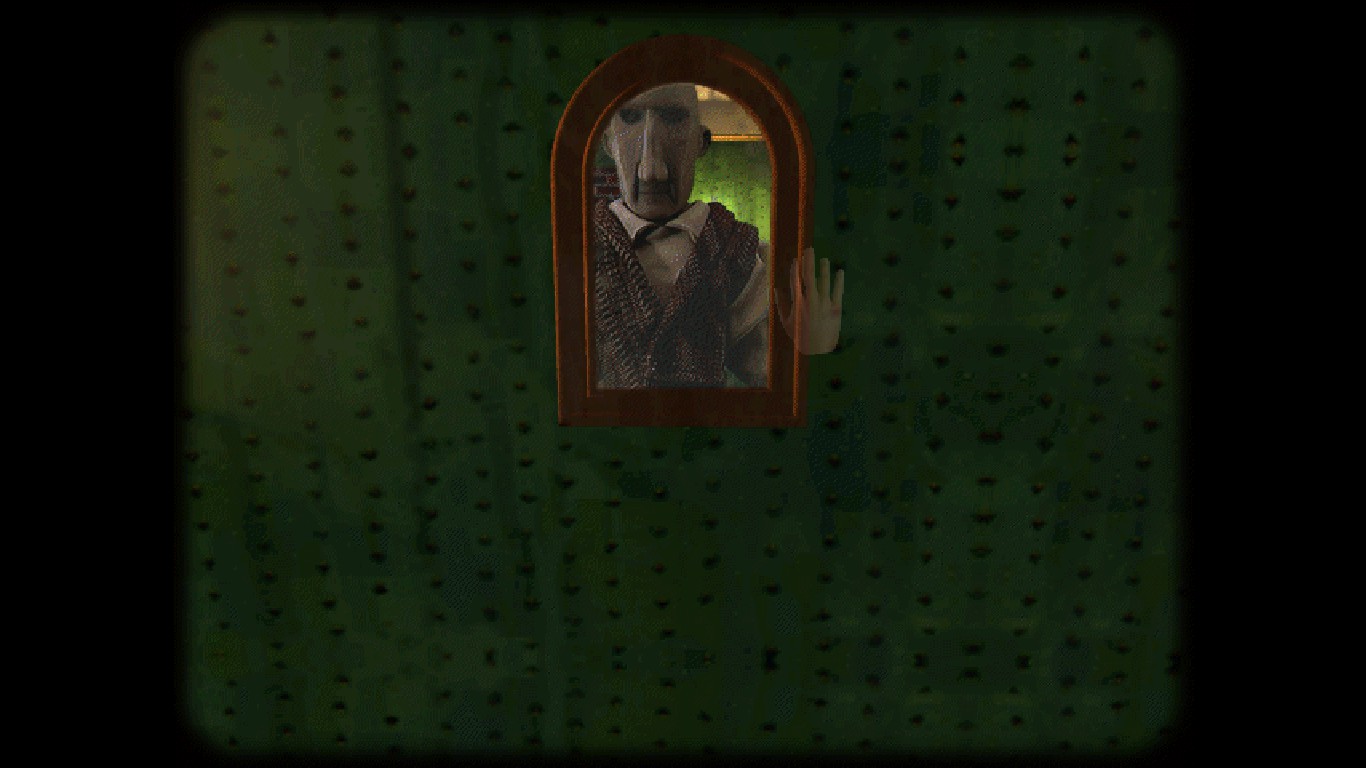
Performance here is pretty good. You do need to take into account the age of the game and the quirks that it probably had when it was originally released. Like, there are pauses that happen before voice lines which, based on gameplay footage from those that played this game on emulators, seemed to be a quirk from the original release. Though, there are some that are a bit too long and made me think it froze. Talking about that, I did have two moments where the game froze in a sense that the character or object froze stopping me from progressing. Both moments happened in Berenice, one for each perspective, but switching to Legacy Mode when launching did fix it. I did make sure to switch back to the regular launch mode so I can see if any other sections had problems and there weren’t. Saving can get messed up sometimes in Legacy Mode, which did have me do a Waking World section twice, but luckily the way the game saves put me at the end of Berenice: Egaeus.
Verdict
I can see why The Dark Eye became a cult classic as it is a great game that adapts Edgar Allen Poe’s short stories in an interesting way, while also meaningfully adding to them. You can also tell that everyone involved cared for and respected his stories. This easily could have just been a 1:1 adaptation, but the approach of having you play through the stories from the perspective of the perpetrator and the victim was so interesting and adds so much. I quite enjoyed my time with the game and I definitely looked forward to what was going to happen next in the Waking World story and how Poe’s stories were going to be adapted even when it was from the perspective of the original story. It may not be as creepy now, due to a combination of time passing in general and being older, but it still does a great job in bringing that creepy and haunting vibe. As well as doing a great job at putting you into the head of the characters. Also, I know I would have loved this game, and would have been more scared, if I played it as a kid.
In terms of this re-release, it’s a good one. It’s a shame they didn’t keep the name “The Dark Eye” due to other games using it. I almost passed this game up as I didn’t put two and two together so good thing I randomly decided to look at the game’s description. I’m guessing they couldn’t use it at all as I think “Edgar Allen Poe’s: The Dark Eye” would have been perfect.
So, yeah, if you want to play The Dark Eye (1995) without worrying about figuring out how to emulate it or playing a version where there’s missing sound for some voice lines, this is a good choice.





Recent Comments