The Dark Pictures Anthology Season 1 Review (PS5)
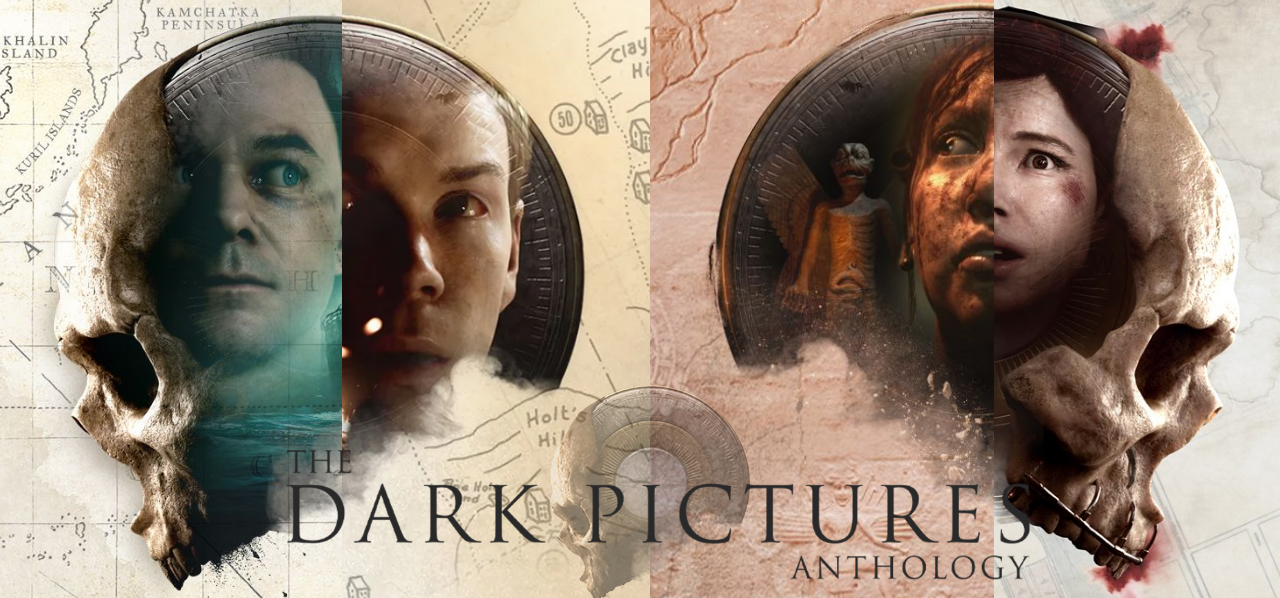
All 4 Dark Pictures Anthology reviews in 1!
Available on: Steam/Consoles
Genre: Interactive Survival Horror
Publisher: Bandai Namco Entertainment
Ah Supermassive Games. While I did play Until Dawn back when it first released, and loved it, I honestly haven’t really been paying attention to most of their releases. Sure, I knew about Hidden Agenda and the two VR games that was connected to Until Dawn, but I ended up skipping them. For the former, it was mainly due to the app requirement and focus on multiplayer (which even if I didn’t mind downloading the app, none of my friends were gamers) and the later was because I didn’t have a VR headset to play them on. When Supermaassive Games started The Dark Pictures Anthology, I think you can guess that I didn’t pay attention to them. Sure, they came onto my radar, but I didn’t pay them much attention.
Well, until the most recent game in the anthology, Devil in Me, released. I’m not sure what got me interested to finally pick up a game from the anthology other than that The Quarry released in the same year and thus had my eye on their games again. Plus…they did add some of their games onto PS Extra. Either way, I ended up playing Devil in Me and then the other three games. While I didn’t really feel like giving each a full-blown review, I thought maybe I can do mini reviews and combine them. Sort of like a review for the whole of Season 1.
Since I didn’t play these in order, I will list these in the order I played them in. I tried to not let the new entries, which I ended up playing first, not bog down the older entries.

The Devil in Me
Devil in Me starts out pretty slow, which honestly had me thinking about dropping this game as it was so boring. Anyway, this game opens up in 1893 where newlyweds check in into the infamous World’s Fair Hotel. All seems well, aside from the weird owner H.H. Holmes (fun fact, the hotel and H.H. Holmes was real), but they both end up dead either by Holmes’ own hand or by a trap.
Fast forward to the present, and you finally meet with the cast that you’ll be dealing with/playing as throughout the game. Following a documentary crew comprised on five characters: Charlie, their producer, writer, and hot tempered leader: Kate the face of the documentary who has gotten a big head with her getting most of the recognition and getting fans; Mark the cinematographer who is indecisive and has vertigo that weirdly only affects him on he would be safe (like on a sturdy bridge or balcony) and not when, say, he’s traveling on a crumbling mountain path; Jamie the sarcastic lighting technician that doesn’t sugar coat anything (and in my opinion says facts); and Erin the sweet, shy sound technician that is kind of a doormat. Except Erin, they all start out as dicks (pardon my language, but it’s true).
These guys have been making a documentary series focused on serial killers, but they’ve been having troubles recently with the episode for H.H. Holmes. That is, until Charlie’s prayers to save the episode was answered and he gets an out-of-the-blue call from someone named Du’Met. Du’Met invites the doc crew to his recreation of H.H. Holmes’ Murder Castle on an island and Charlie accepts and ends up convincing the others. When they arrive, the island is strangely secured and Du’Met is acting strange, but it was chalked up to him being a recluse and just weird, and all seems to be going well. Well, that is, until the killer wearing a mask resembling Holmes starts to terrorize them. He almost seems to be toying with them as he prefers chasing them or putting them in his traps and taking pleasure in how everyone reacts. It’s up to you to try and get everyone out safely…or kill them.
I do also have to say that the characters do become likable. It’s strange, but I ended the game liking all of them by the end and wanting everyone to survive. Though, I really wished Erin had more playable sections. She was my favorite character and it’s a shame she doesn’t make an impression due to her being the first one able to die.
Gameplay throughout all the games is the same, so I won’t go into it in the other games’ sections unless it does something different (and luckily Devil in Me has the newest additions). For Supermassive Games, it switches between cutscenes that can be interactable and gameplay segments. During cutscenes, you sometimes will get prompts to choose whatever a character says (or doesn’t say) and does as well as QTEs that have you quickly press a button, mash it enough before the time runs out, or do a Keep Calm segment where press the correct button when a heartbeat space overlaps a line. Succeeding will keep your characters hidden, but failing will make their location known and can cause them to die. There are sections where you do get to control your character, explore, examine items, do puzzles, and progress to the next area. While you can just go straight to what will let you progress to the next scene, this is where you can explore to get collectibles. In all the games, you’ll be collecting evidence that gives you a bigger picture on what’s happening and premonitions that shows you possible future outcome. Though Devil in Me in particular has business cards for you to find and obols which you can use to purchase dioramas (there was a different plan for these obols, but it was sadly cut).
Devil in Me also introduces having an inventory, with each character having their signature item like Mark and his camera. While I really liked how everyone had an unique light source, Mark’s light source was just annoying as he uses his flash that only gives you a few seconds of light and it’s easy to find yourself turned around and stuck trying to find where you’re meant to go. The items, and thus the inventory, also barely serves a purpose and really screams that it needed more time to fully flesh out. Most items are only used once or twice and there was only one item (that I know of) that is directly tied to determining if a character lives or dies based on whether or not they have it. The mechanic was neat, but at the end of the day it barely mattered.
From what I heard, this was the only game without a big twist at the end and honestly, I liked it that way. Sometimes, it being exactly as it seems works out in its favor. Plus, there were still smaller twists (albeit one that seems to have been too vague and is debated on). I also did like the slasher angle and it was scary, at least for me.
I didn’t know about The Curator’s Cut until I saw a post about it and man, I’m glad I played this a couple months after it released. Basically, The Curator’s Cut is free DLC that has you control a different character to see what happened on their side or just make decisions as them. While this does become available for everyone, those that pre-order gets access to it on release. Luckily, when I played Devil in Me it was already released for everyone to download.
Anyway, I was pretty hesitant on playing The Curator’s Cut as I don’t really like replaying games like these (it’s just boring sitting through the same cutscenes and knowing what happens when you pick a choice), but I did. The beginning really had me contemplating quitting, but I’m glad I ended up continuing as it was worth it.
House of Ashes
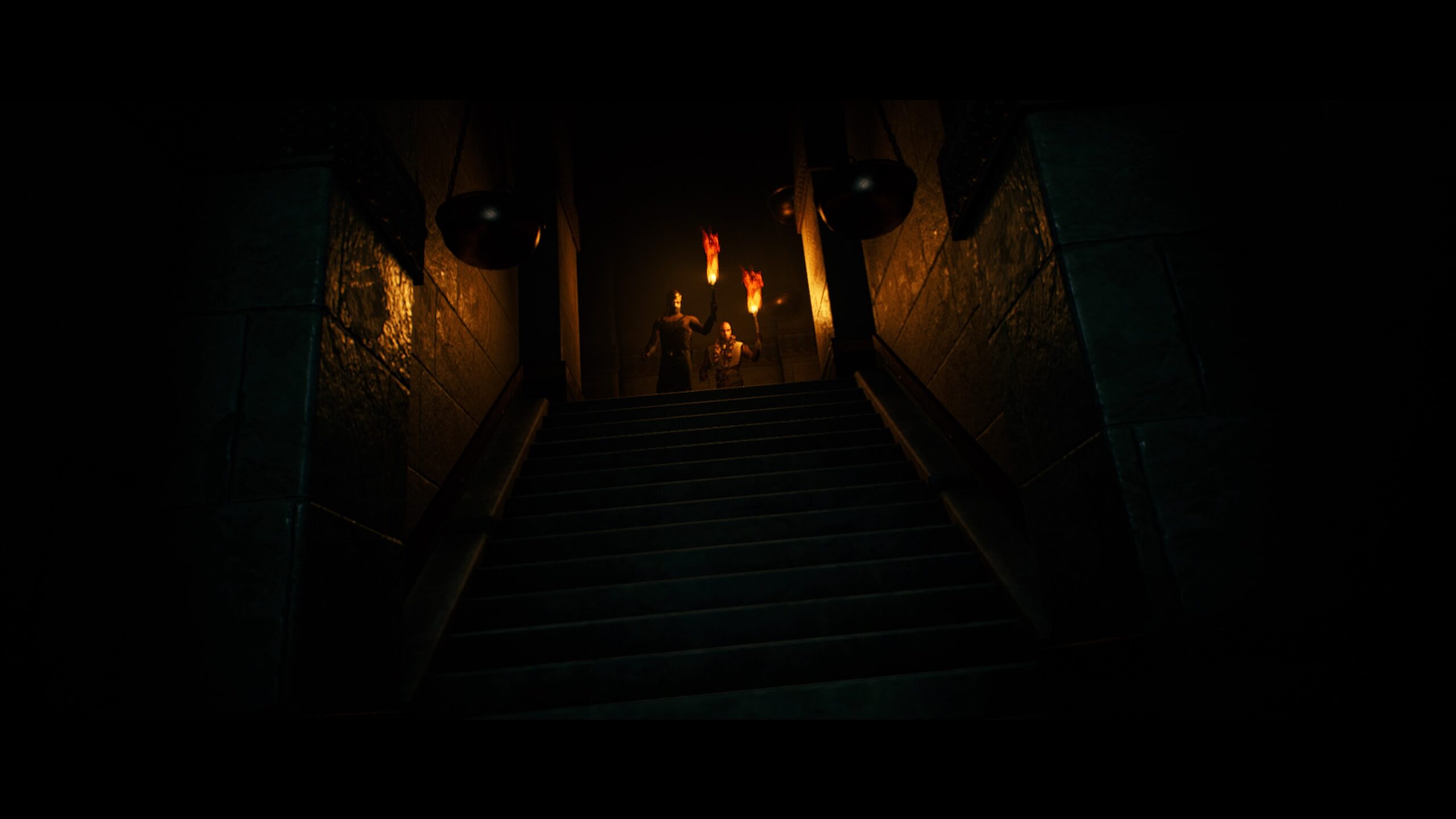
House of Ashes was another game in the anthology that starts out pretty slow, but is more action packed. Well, actually the game on the whole is more action packed. The prologue takes place all the way back in 2231 BC during a war between Akkadians and Gutians. The Akkadians have been sacrificing Gutians to appease the Gods (as the King was cursed). However, when an eclipse happens, something starts massacring both sides. Two men, one a Akkadian and the other a Gutian, are the last ones alive and they do make a truce, but they sadly fall to the same fate (or…do they?).
Fast forward to 2003 and the Iraq war is still in progress. House of Ashes focuses on a cast in the United States military, specifically the marines (I can’t say how accurate the portrayal is). While there are 8 characters that make up the squad, there are 5 that are playable (and doesn’t always die no matter what). There’s Eric the chief nuclear engineer turned colonel who is intelligent but doesn’t have the respect of his new squad; Rachel the abrasive commanding field officer who is Eric’s wife but is cheating on him with Nick; a sergeant named Nick who is often defensive and lowkey sanctimonious, recently traumatized due to a recent event, and is in an affair with his superior knowing she’s still married; Jason the lieutenant who probably should have been the one leading as he is confident, embodies semper fi, and does a great job leading; and finally Salim a Iraqi soldier that wanted to be home for his son’s birthday but reluctantly joined in when they spotted the Americans flying in. Salim end up working with the Americans in hopes that it would give him a better chance at making it back to his son.
Anyway, while Eric and Rachel were apart he was developing a satellite system called Caelus so the military would be able to detect any military equipment that could be hidden underground. Caelus detected something underground a complex and it’s supposed that it’s an underground silo housing chemical weaponry. Since this was Eric’s program, it seems he was put in charge of the squad, taking the commanding role from his wife of all people, to lead the operation of finding the silo. Everyone makes it clear that they aren’t happy with Eric being in control. When they go out into Iraq, it seems to be a bust and then a waste as the Iraq army spotted them flying in. In the middle of the firefight an earthquake happens, causing the ground to literally crumble underneath them. Both sides plummet, though the Americans do outnumber the Iraqis, and from then on everyone tries to find a way back up to the surface. The place they end up in? The very temple seen in the prologue. However, not only do they have to deal with regrouping, possible injuries, and finding a way back to the surface, and members of the opposing army, but also strange creatures, dubbed as vampires, that take bullets like they’re foam bullets and relentlessly hunt when they detect you.
In a way, Eric was right about something being under the building complex…it just wasn’t weaponry. Though, I honestly don’t blame Eric. Who would have guessed everyone would plummet into a temple that was only hidden by a thin layer of earth and everyone would be attacked by vampires (and then what the twist ended up being, which I won’t spoil don’t worry).
A lot of the characters here are also dicks, though I have a feeling part of it was to go along with everyone being marines. While it’s annoying hearing people insulting and blaming Eric, at the same time Eric kinda took over, didn’t have their respect, and I’m pretty he never was in combat so that didn’t help (and you can make decisions that shows he has little experience going into enemy territory). You better believe that I got all smug when Eric turned out right though, like bringing rope. Others do get insulted, but Eric is clearly the most hated one. I did end up liking most of the characters, although I did end up not liking Rachel and Nick. Most of it was because they’re cheaters, as Rachel is still married to Eric, but I didn’t like how they acted throughout and especially towards Eric. The love triangle between Eric, Nick, and Rachel really brings down all three characters.
Clarice was the one that had the least amount of time on screen and I honestly liked her. Honestly, I’d rather have more of Clarice than Rachel or Nick.
I also had some unintended funny moments towards the end of the game. I don’t want to spoil anything, but it was due to all of my previous choices culminating in how the characters acted without my input with a dash of unintended funny timing and camera angles.
Gameplay wise, I really hated the camera. House of Ashes was the first game with control of the camera all throughout the game and it just didn’t work because of all of the tight spaces. It’s fine when you’re in a wide open space, and it was fixed in Devil in Me as it works really well there, but in tight corridors it gets in the way. There is also one QTE that wasn’t clear on the outcome if you succeed (though it ends up not negatively affecting your run) and there are some lines that are out of place or delivered terribly.
I don’t think I ended up liking House of Ashes as much as others have expressed online, but I did like it by the time I got to the end. It’s certainly not one I would want to replay through even though I know how many branches in the story this game has. I will also say that while this being action packed took away from the horror, it didn’t take away the tense atmosphere. At least the Curator’s Cut barely adds anything.
Man of Medan
Ah, I finally got to the first Dark Pictures Anthology game. It may seem weird that I am practically going backwards, but that’s how the dominoes fell for me. Originally, I was going to play Little Hope third, but I kind of wanted to be in the same mindset as others that played this series in order. I have heard Little Hope was the weakest and part of it was because it had a similar twist to Man of Medan, so I decided to see what I would think in the same situation. Anyhow, let’s see Man of Medan.
Man of Medan, as you guessed it, follows five characters that end up in a situation they never thought they would get themselves into. Though, we get a little prologue to introduce us to everything. Going back to 1947, we join two American soldiers named Joe and Charlie. We see them passing time at a Chinese port, hitting a training dummy and getting their fortune told, before its time to board their ship (which we soon learn is the S.S. Ourang Medan). They both get drunk, fight, and locked up separately once their Sergeant finds them. However, this might have been the worst time to get drunk as a thunderstorm jumpstarts the horrible events as both are wake up by gunshots and before the night was over everyone was dead and their ship was left to drift in the ocean.
Fast forward and the events this time involves a group of teens looking for a rumored WWII wreck and the captain of the boat they’re taking out. There’s Alex who is confident, rational, and pretty much takes on the role of being the leader, however he does seem to be insecure in his relationship. There’s also his nerdy younger brother Brad who is friendly and kind of awkward (same dude), but he does want to work towards being brave. Brad was actually the one that calculated where the WWII wreck their group is looking for was. Julia, Brad’s enthusiastic, smart, and totally not reckless girlfriend, and her brother Conrad, who is the relaxed, romantic type with a hint of spoiled rich-ness, also joins in to make their little diving group even numbered. And finally, there’s Fliss who is the captain of the boat the diving group is taking. Fliss is pretty serious and collected, which considering some problems she’s currently in and she would be on the hook if those guys do anything against the law.
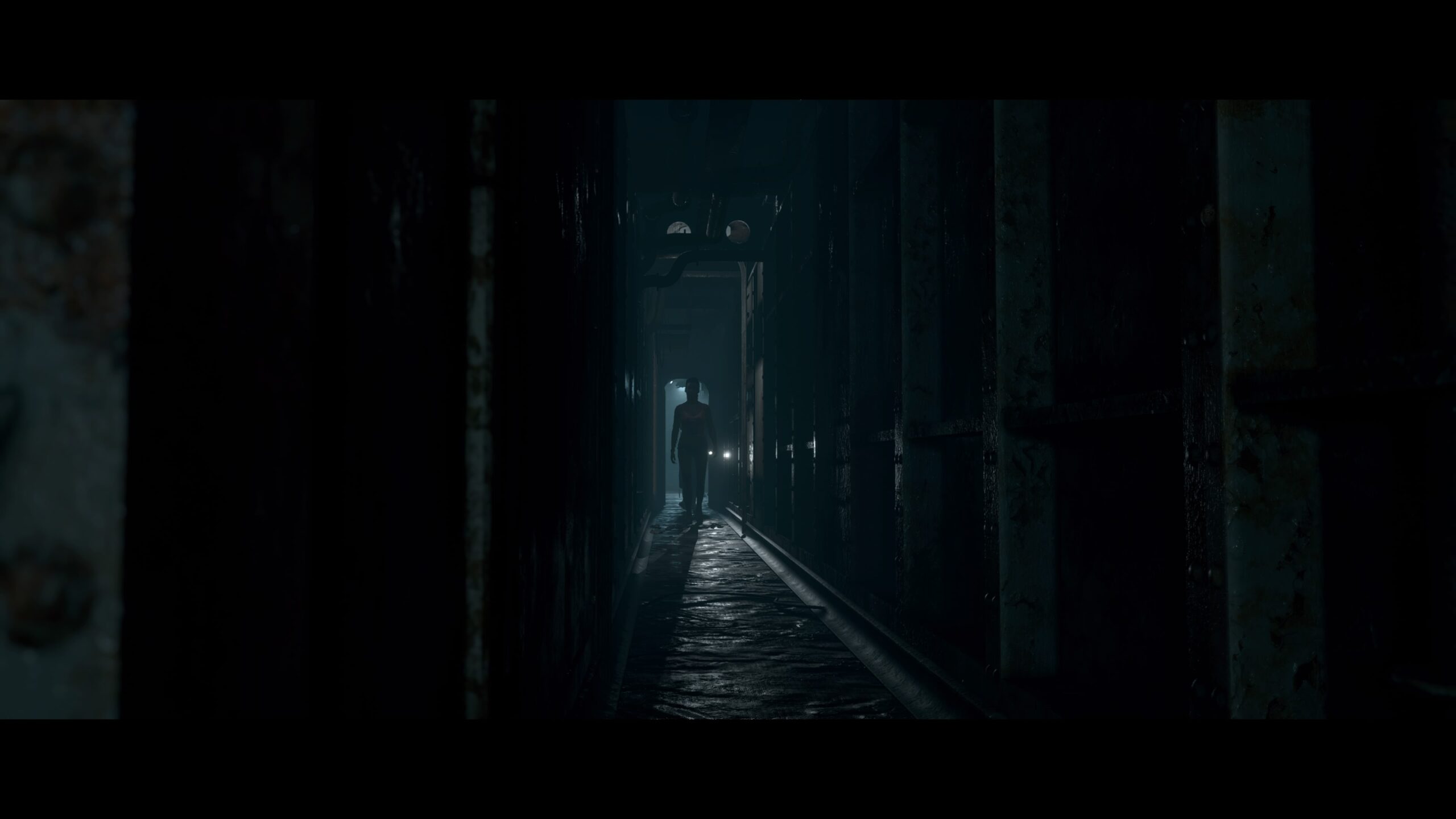
Anyway, it starts with a dive that seemed simple…or simple compared to what’s about to happen. Brad’s calculations turned out to be correct and what they found was a crashed WWII aircraft. Alex and Julia dive to check it out, much to Fliss disagreeing, and while they explore and totally not grab some trinkets; Conrad, Fliss, and Brad stay on the boat where they talk (or Brad trying to get through his seasickness depending on a choice) until a speedboat with some pirates run into their boat. The pirates do speed off, but not before Conrad pisses them off (and might or might not have gotten their leader Olsen to return). One of the things Alex and Julia found was a paper with coordinates to Manchurian Gold and while Fliss doesn’t want anything else to do with these tourists, she does end up agreeing to go to those coordinates. However, once night fell the pirates return, taking everyone hostage, and eventually sails to the coordinates thinking Manchurian Gold is gold. It leads them to S.S. Ourang Medan and of course the pirates were smart enough to not only take an important part from Fliss’ boat, but also lock them up. They all end up escaping, but of course gets separated. From then on, the group is tasked to not only dodge the pirates, but get the boat part and deal with strange and scary hallucinations that they will either freak out and attack or stay calm for long enough.
There were some awkward moments here, which is probably to be expected. There were a lot of, I feel, unintended dead air, moments where the models flickered before the game cut away to the next scene, some awkward conversation moments, and just a few moments that didn’t make sense or felt disconnected. Like there was this whole scene where everyone managed to group back up and discuss what they saw…and then scenes later two characters strangely pieced everything together. One of the characters also actually finds the Manchurian Gold, but doesn’t make any comment, which is strange considering that was the whole reason they were forced on the Ourang Medan. I will say though, that Man of Medan was scary and tense. It also really gives you a “WTF is (actually) going on” like what the characters are probably experiencing. I did also do the Curator’s Cut and it was as good as others were saying. If you play one Curator’s Cut, it might as well be Man of Medan’s.
Also, if you’re not intending to replay don’t have Conrad escape. He’s gone until the very end, which is a huge shame as my first playthrough I did that as I did like his character a lot (and I generally aim to go for everyone surviving), and there are so many scenes you’ll miss.
Man of Medan honestly turned out to be the first Dark Pictures Anthology game that didn’t bore me in the beginning and had me actually like the characters from the beginning rather than hating them and warming up to most of them as I progressed through the story. There were definitely some dialogue that was cringey or too mean, but the characters really did win me over. Even Fliss, who didn’t have a great introduction, had me liking her from the beginning as it was understandable why she was standoff-ish. I also felt the prologue was the shortest of them all and I did like how it introduced the mechanics (though it seemed I’m in the minority for liking MoM’s prologue). The twist was sadly really easy to guess from the prologue and through the Curator’s first hint, but at least we did have a secondary threat through the pirates wanting to kill your group.
Well, until the end where everyone survives and she says “Fuck rick kids” while everyone is talking about the trauma they just endured. This seemed way out of place at the end and should have been at the beginning before everything happened. Like maybe have her say it if you chose to try to bribe/blackmail Fliss, don’t care about breaking the law and getting Fliss in trouble, or even when Conrad was strangely throwing money at the pirates.
I also really like how the Bearings looked here. In Devil in Me and House of Ashes it was in the shape of a crow, similar to Until Dawn’s butterflies in its Butterfly Effect (aka Bearings), but I honestly liked it being in the skull that you can say is the series’ mascot. Though, it did have the tendency to glitch out (I had the “No MC Core Set” occur most of the time when I went to it through the shortcut) and be out of order unless it’s completed (I noticed this with the speedboat bearing).
I almost forgot to mention this, but Man of Medan was the game with fixed camera angles throughout the whole game. Honestly, I liked it for the most part and we do get some interesting angles. Although, it did have downsides which made me understand why others didn’t want future games to have fixed camera angles and their criticism to MoM. It really does hide areas that you could go to (but doesn’t look like anything is there until you’re close enough for the camera to move) and I felt I was finding way less things than I did in TDiM and HoA. I had a good couple “wait what?” when I got bearing updates concerning whether a character found an item to wield and then going to the wiki and realizing I never noticed a lot of interaction points. Even interaction points that I was right in front of. I also did have two or three instances where I had trouble moving my character, though it’s not that bad and the worst is when you’re in the diving chapter where I found it hard to get Julia through doors.
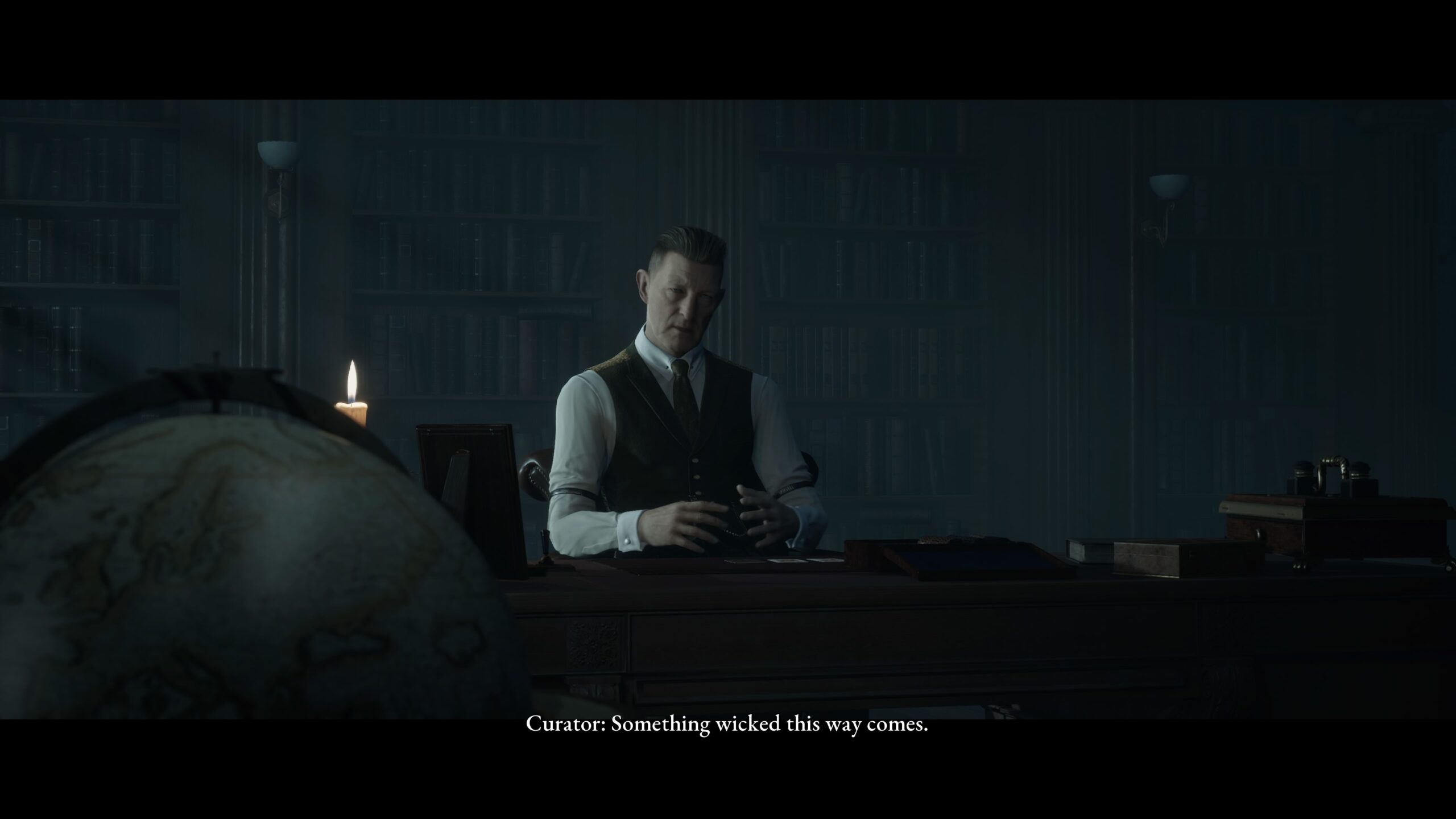
Also, is it weird that this is the first game that I noticed the Curator has pretty blue eyes?
Little Hope
Well, we reached the last Dark Pictures Anthology game so far. Ending this with Little Hope (pun unintended). I ended up taking a big gap between this and Man of Medan due to having a bunch of thunderstorms in my area. Hey, I already end up playing horror games at night, I’m not going to make them scarier by playing at night during a thunderstorm.
Little Hope is pretty unique from the others and it starts with the prologue. The prologue not only gets right to it, but it ends up being way more connected to the main game than all the other prologues were. It also starts at the present day, flashes to the past, and then brings you back to the present. We open to following a bus and its driver on the way to their destination in the middle of the night. Well, that’s how it was supposed to be until the bus driver finds out the road is blocked and he needs to take a little detour through a ghost town known as Little Hope. The bus driver acts uneasy to this news, but nonetheless he takes the detour. His worry seems to have been unfounded until he sees a little girl in the middle of the road, swerves to avoid her, and ends up tipping the bus. This is when we go into the past, to 1972, to take a little peek into the Clarke family. It seems to be a typical day for them, with the parents arguing and the kids trying to block it out as they go about their own business. Though, we do see the little sister, Megan, being sick of being pushed away and acting a bit creepy. However, tragedy strikes as the kitchen catches on fire. One family member ends up being locked outside, with the others being locked inside in their own respective areas, and while he tries to help his family, he could only helplessly watch as everyone dies. Before he, himself, runs into the fire and disappears to help the one he didn’t see die in hopes that she was still alive.
Back to the present and we return a little bit after the bus crash. We see that the bus was carrying a Professor and his students for a little field trip. The bus driver mysteriously disappeared, but everyone else seems to be fine…more or less. We, of course, follow five characters: John, Taylor, Daniel, Angela, and Andrew. John, the professor, who is rational and tries to keep everyone together and optimistic even though some of his students are skeptical of him since he talks the talk, but doesn’t walk the walk. For the students, there’s Taylor who is sometimes rude aggressive, and stubborn, but is also emotional, supportive, and does want to feel like she’s part of the group. She’s secretly dating Daniel who is also supportive, defensive to those he cares about and those that can’t defend themselves, and friendly, but he can also be aggressive or cowardly. Next is Angela, who is the oldest student there, and she is pretty abrasive and a bit selfish, but she is understanding, shows how grateful she is when helped, and she does have a soft side that peeks through. And lastly, Andrew who ends up suffering amnesia and a concussion due to the crash, but he helps everyone throughout equally and tries to act rationally…with a hint of recklessness of course.
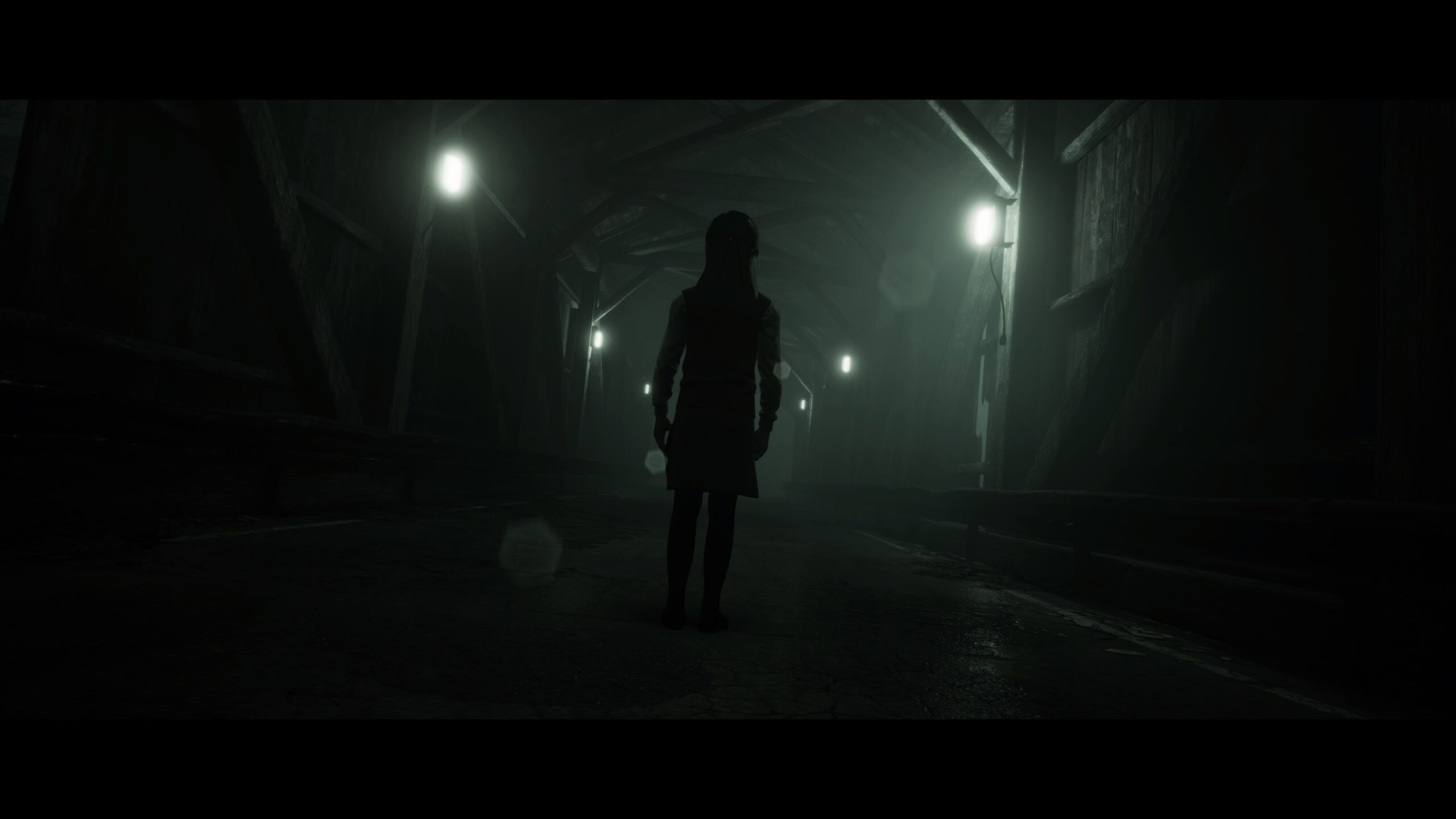
After finding out the thick fog around them won’t let them leave, the group heads into Little Hope in hopes to get help and to find the bus driver. They do find that someone else is here, another man named Vince, but he doesn’t help that much and he does pop up a few more times. As they continue down to Little Hope, they not only see the little girl the bus driver saw, but she seemingly is connected to whatever is happening here. Not to mention that as they walk through Little Hope, they are jumpscared and grabbed by ghostly figures that temporarily transport them to the past. Whoever gets grabbed suddenly finds themselves, along with anyone in the same room or touching them, in 1692’s Little Hope during the witch trials. It turns out that one person from the past, usually who the scene focuses on, can see them and they can even touch and move things. However, they soon find out that those from the past look just like them (and if you have a sharp eye, those from the prologue 1972 family) and as their doubles die, demons corresponding with how they die start to pursue and attack them. In a desperate struggle of finding help, getting looks into the past, and the threat of death, Little Hope was certainly a ride.
I absolutely loved Little Hope’s group. I was expecting worse based on how much I saw people hating on these guys, but I ended up really liking them. They had an interesting dynamic and I loved how by the end they’re all helping each other (or, well, in my two playthroughs). Taylor did annoy me a bit, but I liked her. Based on what I could tell looking at posts, Angela is one of the most hated characters in the series and I really liked her. I honestly was expecting a teenager or young adult, but she’s actually an old woman which was surprising and a nice change of pace. Angela was definitely one of the gossip girls in high school and I loved how snarky and sassy she was. Her lines also gave me vibes that if her tone was different, she would have been interpreted as sarcastic and I loved this (and I can relate since it seems I have a tone problem).
Little Hope was the only game that had locked traits and it was a cool concept. Every character starts with one locked trait and has chances to gain more throughout the game; however, these can’t go away naturally. The amount of locked traits will alter how much time you have for QTEs, how many QTEs you get, the speed of Keep Calm segments, and they start to have a negative reaction to them that get worse with each new locked trait. They all only have one chance to unlock them and it’s basically when their demon is attacking them and they tell the others to save themselves as they try to fight back (except Angela). Locked traits are also what causes them to die, as they flash in the demon’s eye right before the killing blow. This is an interesting concept, but the game doesn’t explain these, asking for help doesn’t seem like a bad choice, and it does cause a cheap death at the end of the game if they still have just one locked trait.
I’ve heard that a lot of people didn’t like Little Hope, but I honestly liked it a lot. I do understand why, but I really liked the story, the ending, the demon designs, and how the reveal made the game more meaningful (I want to say more, but then I’d have to go into spoiler territory). It was layered in an interesting way, thinking about the more subtle details and reflecting on past events was interesting, and I liked how this game handled shared models being doubles (technically triples) by having it important to the narrative and characterizations.
One of the aspects I see criticized about the ending is that it ruins subsequent playthroughs, but I found it didn’t for me (and I knew what kind of ending it was before starting the game). This was also the only game where I didn’t mind doing the Curator’s Cut (and I started it the same day I finished Theatrical Cut). Looking back, it doesn’t add much as you only see the scenes you didn’t see and sadly there isn’t an added Angela episode for when she gets cut off from the group, but I weirdly didn’t mind.
I do have quite a few gripes on Little Hope though. This has the skull bearings like in MoM, but events still appear out of order and you can even get one that contradicts what actually happened. Taylor either has or doesn’t have a neck wound depending on what demon she has, but mine was switched where she had it when she wasn’t supposed to and didn’t when she was. Though the most annoying was something that was intended. I heard that when HoA came out, MoM and LH got an update so the UI and aiming QTEs matched. I do like the UI as the old bearing update looks too intrusive, but the retrofitting the new aiming system did not work. There were two, maybe three, instances where it was intuitive, but with the rest the place you assume you should aim isn’t right and actually it’s this small spot you wouldn’t have guessed. It frustrated me when a character died because I couldn’t find the hitbox, or even went past it and couldn’t get back to it before the timer went off, and after replaying the chapter Taylor can die, I thought “forget it, she can die due to this dumb design” and then played my next playthrough with the timers off. Sorry about this rant, but Little Hope was designed to have the target prompts and not having them frustrated me and it felt the character deaths it caused wasn’t because of me, but because of the game.
Little Hope has a mix of a fixed and free roam camera. I honestly really liked this more than just having one and it worked really well in my opinion. Tight spaces always had a nice, fixed camera while open spaces had a free roam camera with some exceptions when a fixed one would work better. I didn’t end up having problems finding items due to the camera positioning nor did I have problems with not realizing there was an area off to the side. I did run into a few instances where the character would stop and then go the other way a few seconds after it goes to a new camera angle though, which was weird. This had the best of both worlds and I wished the series went forward with this mix of fixed and free camera. I can already envision some areas in HoA and TDIM that would have had a striking fixed angle.
I also have to mention the Curator. I absolutely loved how salty he was that he was told it’s not his place to interfere, just record. I like to believe this is due to him spoiling the twist in MoM with his first hint. Don’t worry, he still gives you hints and this time it’s vaguer.
Overall Thoughts
After playing all of the Dark Pictures Anthology games in Season 1, I have to say that these were better than I was expecting. While some of them started slow, I did end up enjoying them and even enjoyed most of them to do their Curator’s Cuts. The stories were interesting, I liked digging and interpreting the hidden and subtle details placed throughout, and I liked most of the characters. It was also interesting to see how the games evolved even though I did play them from newest to oldest. Though, there are aspects in each that I didn’t like and I was disappointed in how buggy the older ones still are. Even though there was a bug in TDIM that annoyed me enough that I would have dropped the game if I already wasn’t invested, I can excuse it as I did play it soon after it released. I can’t with the others.
That said, I am looking forward to seeing what Season 2 has in store. Directive 8020, the first game in Season 2, already seems like it’ll be interesting. I do wish these got another year for development though, so they can have more time to work on the story and characters, implementing and expanding mechanics, and to have time to iron out bugs.
Anyway, considering I used a combination of Gamefly and PS Extra to play these games, I guess you can say that while I do recommend experiencing them in some way and that I did end up liking them, I wouldn’t recommend picking them up at full price. It would be worth it if you don’t mind replaying them a lot, but as someone that doesn’t…yah get them when discounted.
Also if you want my personal ranking… LH > TDIM > MoM > HoA





Recent Comments